When Silicon Valley Takes Manhattan
Big Tech’s influence on Manhattan real estate is often talked about in broad terms. But if you look closely at the city’s office market today, the story becomes much more concrete. A relatively small group of global companies, most of them headquartered far from New York, now occupy some of the largest and newest office buildings in the city.
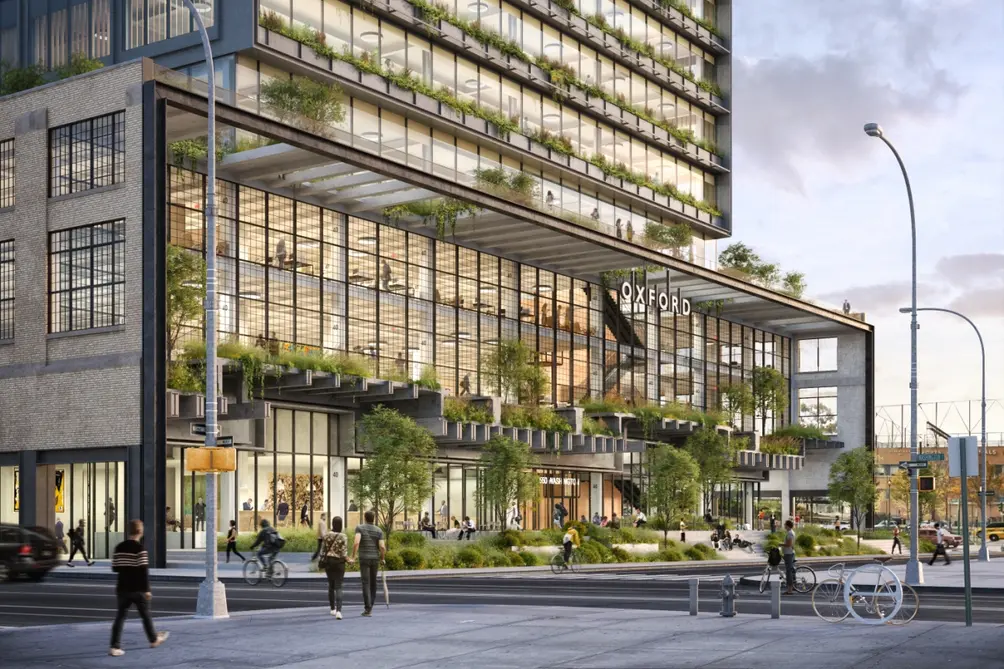 |
| Google's North American Corporate Headquarters in Hudson Square |
Companies like Google, Meta, Amazon, Apple, Disney, IBM, Microsoft, Salesforce and Deloitte are all headquartered elsewhere, yet they now control millions of square feet of office space in Manhattan.
For anyone who follows New York real estate, the interesting part isn’t just that these companies are here. It’s where they chose to land.
Chelsea: Google’s original Manhattan foothold
The modern tech wave in Manhattan arguably started in Chelsea.Google made its first major move in the neighborhood when it bought the enormous 111 Eighth Avenue building. The Art Deco structure occupies an entire block between Eighth and Ninth Avenues and contains roughly three million square feet of space. It was once a freight terminal connected to the High Line; today it houses thousands of Google employees and a massive data hub.
 |
| 111 8th Ave |
The company didn’t stop there. Google later acquired the Chelsea Market complex directly across Ninth Avenue, adding another major office building to its campus while preserving the famous food hall at ground level. Nearby properties along Ninth Avenue and the Meatpacking District have also become part of Google’s broader footprint.
 |
| Chelsea Market |
The result is that a stretch of Manhattan once known for warehouses and nightclubs now functions as something close to a tech campus.
Hudson Square: Google and Disney build a media district
A few blocks south, the transformation is even more dramatic.
Google recently completed a huge new office complex at St. John’s Terminal, officially 550 Washington Street, in Hudson Square. The building was once a freight terminal that stretched over Houston Street. Today it has been rebuilt as a 1.7-million-square-foot office campus with terraces, large floor plates, and space for thousands more employees.
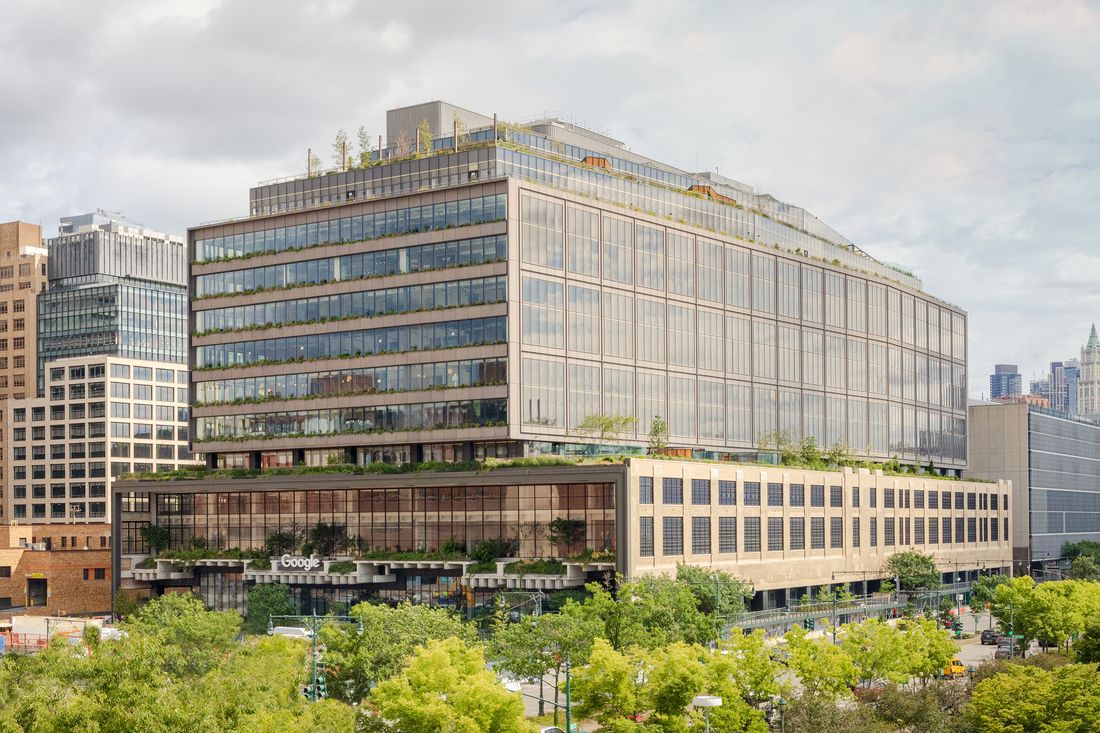 |
| 550 Washington Street |
Right down the street, Disney is finishing a brand-new headquarters at 7 Hudson Square. The building rises more than twenty stories and contains roughly 1.2 million square feet of offices, production studios, and retail space.
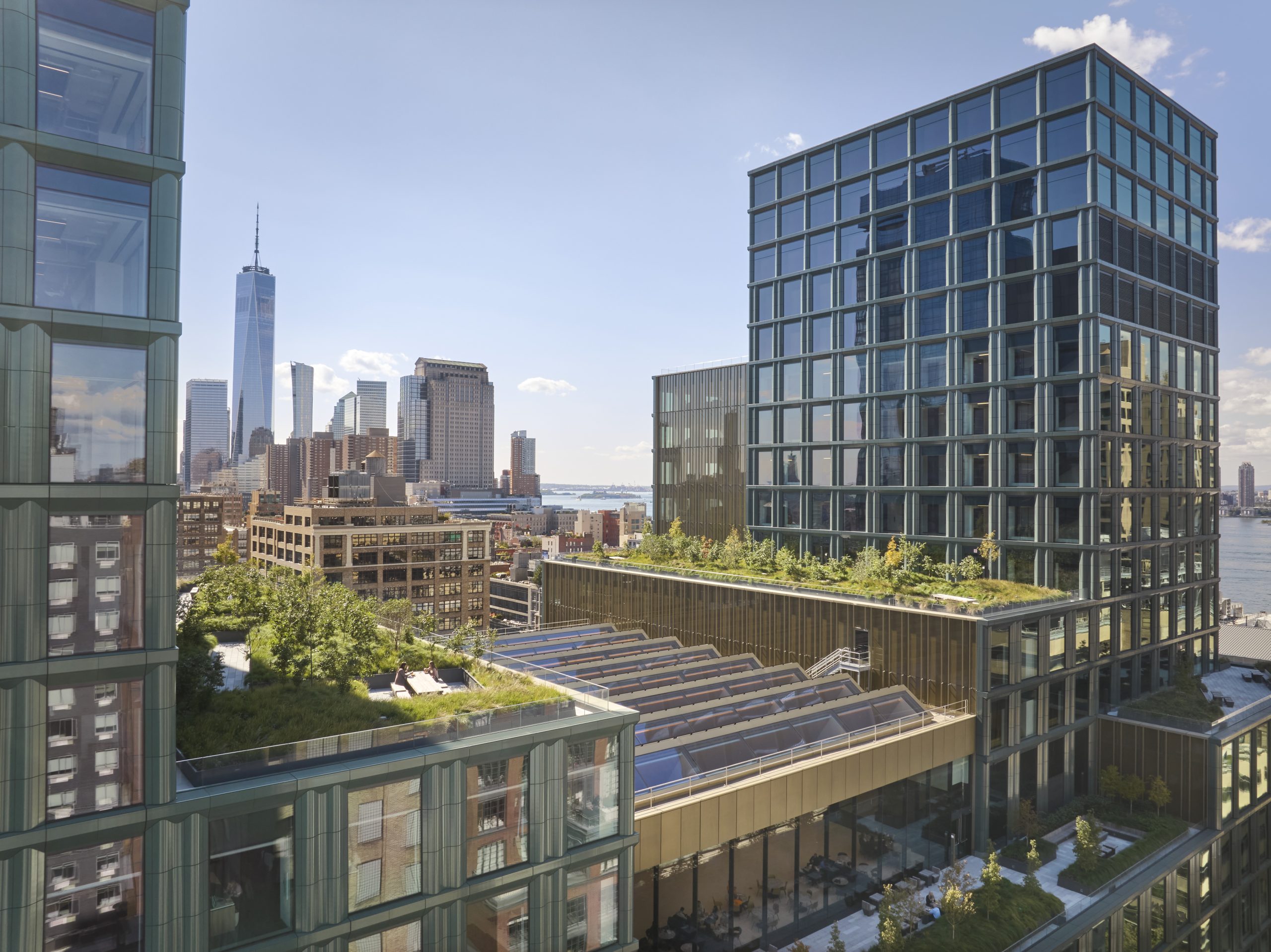 |
| 7 Hudson Square |

Put those two projects together and Hudson Square is quickly evolving from a quiet printing district into a major media and technology cluster connecting SoHo, Tribeca, and the West Village.
Hudson Yards and Midtown West: the new corporate towers
Further north, the newest skyline on Manhattan’s west side has attracted some of the largest corporate leases in the city.
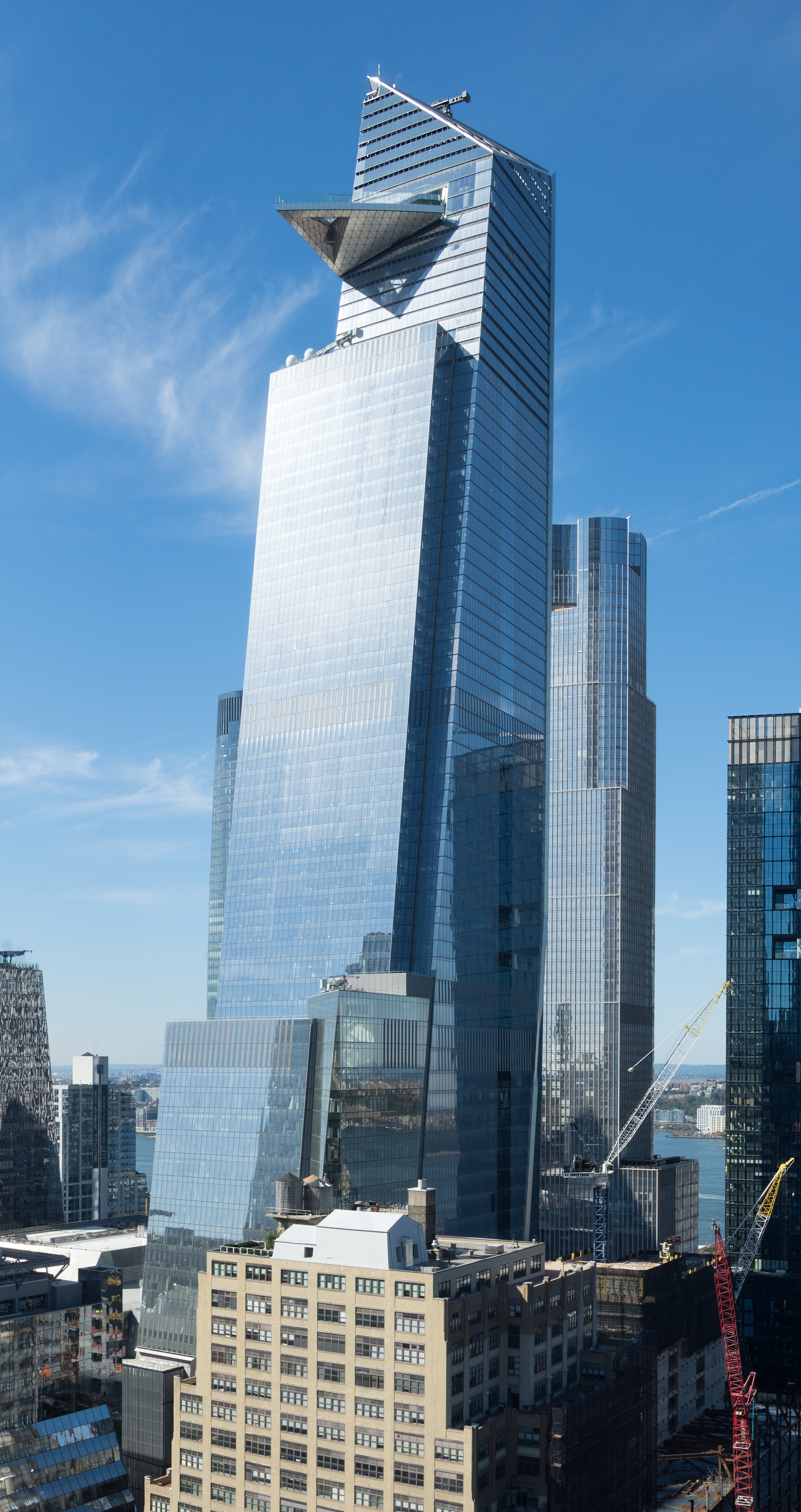
Meta made one of the biggest commitments when it leased about 1.2 million square feet at 50 Hudson Yards, one of the neighborhood’s newest office towers. The company also took additional space at 30 Hudson Yards and 55 Hudson Yards, giving it a multi-building presence in the district.

Across from Penn Station, Meta also leased the entire office portion of the Farley Building, the historic structure above Moynihan Train Hall. That deal added another 730,000 square feet of workspace to its Manhattan portfolio.
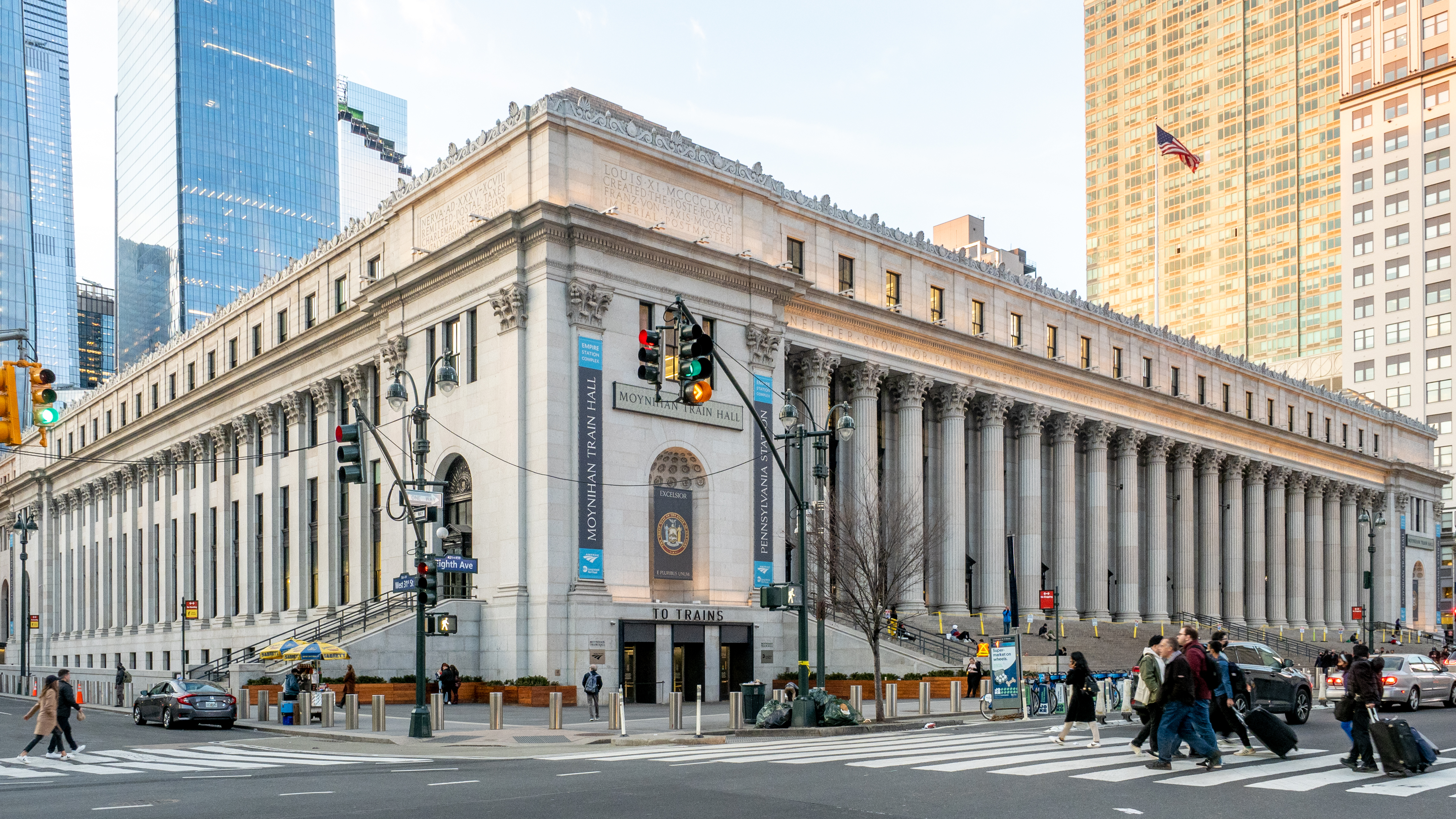
Nearby, consulting giant Deloitte signed a major lease at 70 Hudson Yards, turning the building into a campus-style headquarters for thousands of employees.
Together, these leases have helped cement Hudson Yards as one of the healthiest office districts in Manhattan, with some of the newest towers and highest rents in the city.
Bryant Park and Midtown: Amazon and Salesforce move in
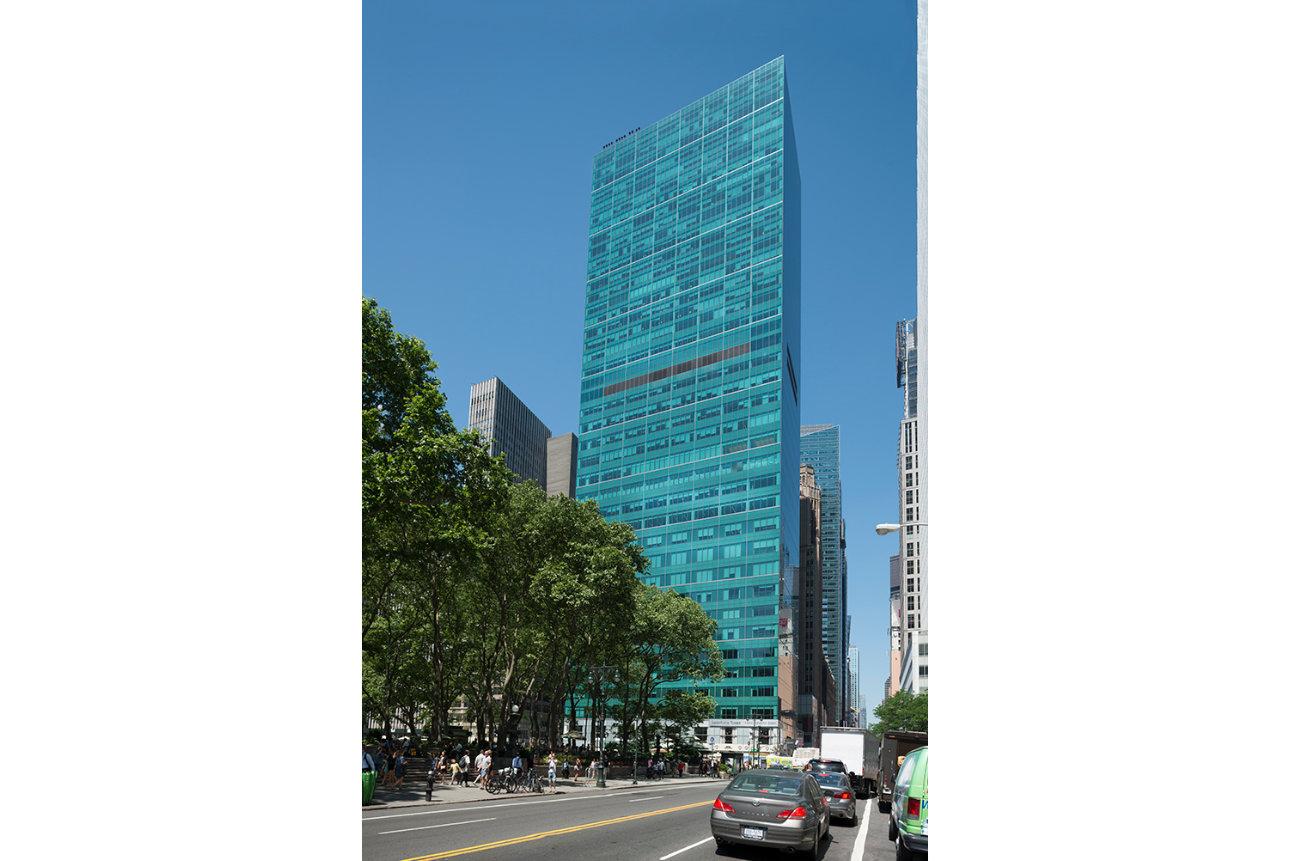

Midtown’s Bryant Park corridor has also seen a wave of new tenants from the tech world.
Salesforce occupies about 311,000 square feet at 3 Bryant Park, often referred to as Salesforce Tower New York. The building sits directly across from Bryant Park and has become a hub for enterprise software and tech-adjacent companies.
Amazon has also been expanding nearby. One of its biggest recent leases is at 452 Fifth Avenue, also known as 10 Bryant Park, where the company took roughly 330,000 square feet. The company has added additional offices around Midtown and even purchased the building at 522 Fifth Avenue.
In the Times Square area, Amazon also expanded into large blocks of space at 1440 Broadway through a coworking arrangement, bringing hundreds of employees into a part of Midtown that used to be dominated by apparel showrooms.

Penn District and Flatiron: Apple and IBM reshape older buildings
Other companies have focused on repositioned or newly redeveloped towers.
Apple recently expanded its offices at 11 Penn Plaza, also known as Penn 11, bringing its footprint there to roughly 460,000 square feet. The building sits just across from Penn Station and has been upgraded to appeal to large technology tenants.
Further downtown in the Flatiron District, IBM signed a long-term lease at One Madison Avenue, a newly rebuilt office tower overlooking Madison Square Park. The building contains about 1.4 million square feet of space and was designed with large modern floor plates, terraces, and amenity areas that appeal to tech-style office users.

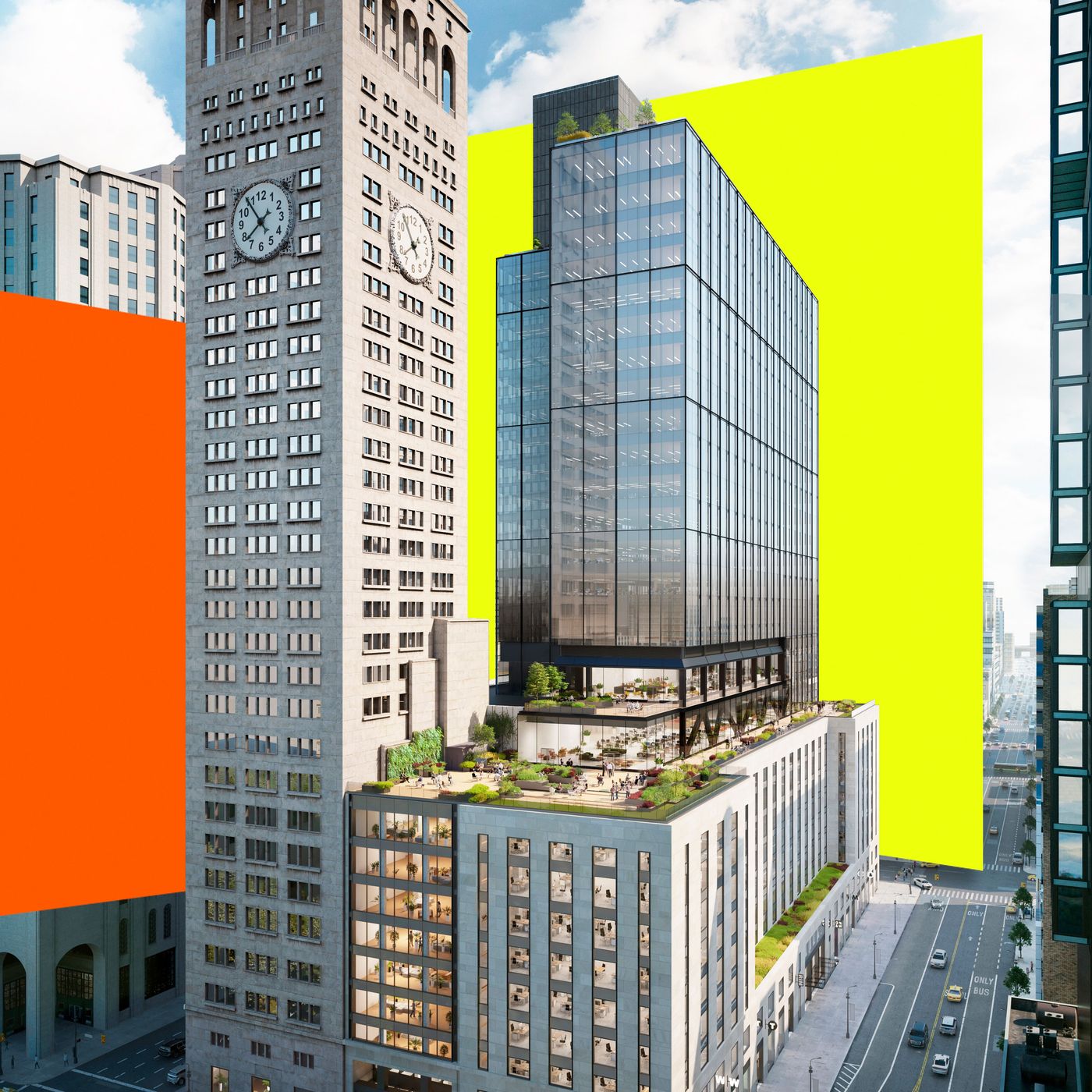
Moves like these show how older Midtown South buildings are being upgraded to compete with the newest towers.
The bigger picture for New York real estate
When you step back and look at the map, a clear pattern emerges. These companies are clustering in a handful of neighborhoods where landlords have built or renovated large, modern office buildings with transit access and lots of amenities.
That clustering effect matters.
Thousands of well-paid workers entering neighborhoods like Chelsea, Hudson Square, Hudson Yards, and Bryant Park every day changes the surrounding retail, restaurant, and housing markets. It also reinforces the value of the newest and most amenitized office buildings, even as older ones struggle.
In other words, Manhattan’s office recovery isn’t happening everywhere equally. It’s happening in very specific buildings, often occupied by companies headquartered thousands of miles away that have decided New York is still too important to ignore.


