The Waldorf’s Reinvention: How Glamorous Conversion Turned RE Marathon
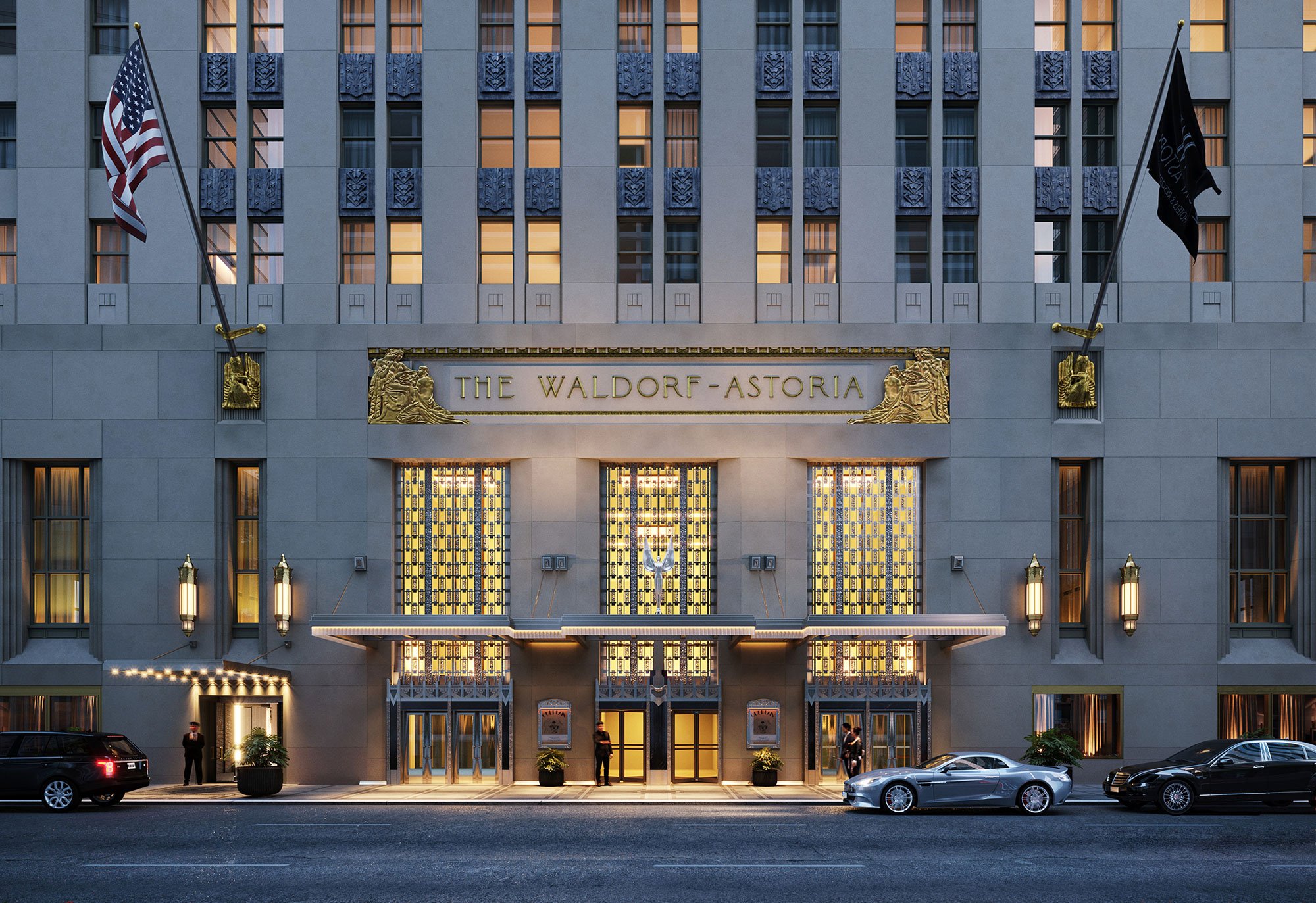
When the Waldorf-Astoria New York closed its doors in 2017, the expectation was a polished, three year transformation. Instead, Park Avenue watched one of the world’s most famous hotels sit in darkness for nearly eight years. What unfolded behind the scaffolding was not just a renovation, but a high-stakes case-study in converting a 1931 landmark into a modern, mixed-use machine.
The original idea seemed straightforward. After buying the property in 2014 for about 1.95 billion dollars, China’s Anbang Insurance Group planned to shrink the hotel and carve out 372 luxury condos on the upper floors. Early projections pointed to a reopening around 2020 and a renovation budget in the low billions. For a trophy asset with global name recognition, it felt bold but doable.
Then reality set in.
Costs climbed dramatically as the scope became clearer. By the time construction and soft costs were tallied, total investment had surged past 4 billion dollars, with some industry estimates pushing the effective exposure far higher once lost hotel revenue and overruns were factored in. The schedule slipped by roughly five years. For a property of this size, every additional month of closure meant enormous carrying costs with no operating income to offset them.
Corporate turbulence made things harder. Anbang collapsed amid a Chinese government crackdown on aggressive overseas investments. Its chairman was sentenced to prison, and control of the Waldorf eventually shifted to Dajia Insurance Group. When ownership changes hands mid project, momentum slows. Strategies get reassessed. Executives depart. Capital commitments are reexamined. That uncertainty hovered over the site at the same time construction complexity was ramping up.
And then Covid hit just as condo sales were launching in March 2020. The sales gallery closed almost immediately. Construction faced shutdowns and supply chain disruptions. Material and labor costs jumped. The luxury condo market in Manhattan, which had already been softening before the pandemic, became even more unpredictable. The project was now fighting on multiple fronts: technical, financial, and market driven.
But the most fascinating part of the story for real estate watchers is the technical side.
This was not a simple gut renovation. The exterior had long been landmarked, and in 2017 the city designated large portions of the interior as well. That included the Park Avenue lobby, Peacock Alley, the Grand Ballroom, and several ornate rooms and corridors. Tens of thousands of square feet of intricate Art Deco interiors had to be preserved or restored while the rest of the 1.6 million square foot building was essentially rebuilt.
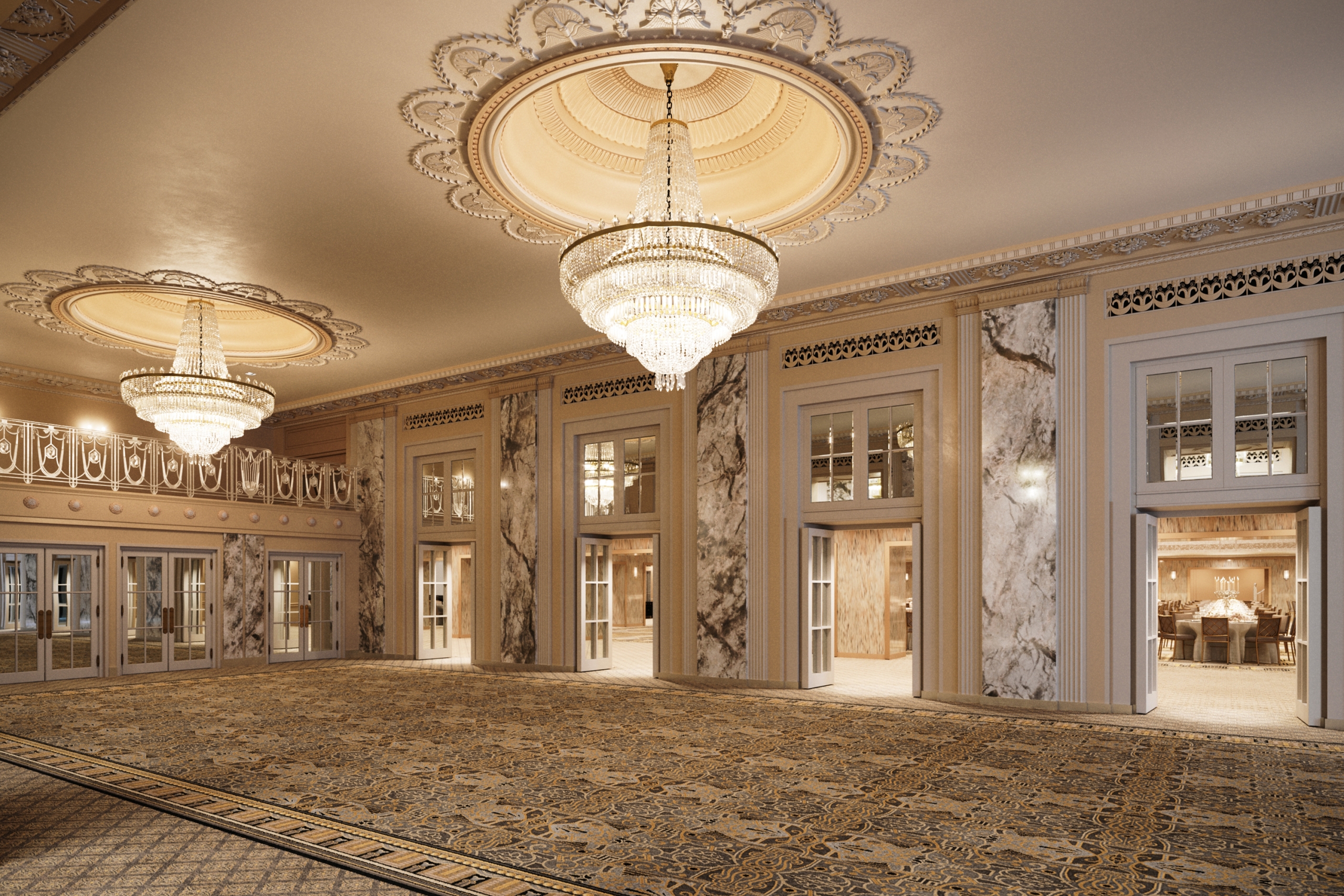
Contractors removed fragile plasterwork, stone, metal detailing, and murals and stored them off site in climate controlled facilities. Some elements were too delicate to salvage and had to be carefully replicated using molds. Specialists in mural conservation and decorative metals were brought in. All of this work had to be sequenced around demolition and the installation of entirely new mechanical, electrical, and plumbing systems. Preservation at that level is painstaking and time consuming, and any delay in one area can ripple through the entire schedule.
Demolition also revealed surprises typical of a building from the early 1930s. Structural drawings did not always match reality. In one example, a beam shown as one foot wide turned out to be three feet wide. Floor systems were made of cinder blocks, terracotta, and ash based concrete reinforced with wire, nothing like modern slabs. Before adding new partitions and heavy contemporary systems, engineers had to reinforce and sometimes reconfigure these assemblies. Each discovery triggered redesign and change orders, stretching both budget and timeline.
The mixed use conversion added another layer of difficulty. The original Waldorf functioned as a single hotel. The new plan required two distinct worlds inside one shell: a luxury hotel and private residences. That meant separating vertical circulation, carving out new elevator banks, and creating independent plumbing, HVAC, and electrical systems. Construction teams were divided into hotel, residential, and core infrastructure groups because coordination was so intricate. Any issue in shared systems could delay both sides of the building at once.
Even the facade underwent major surgery. Hundreds of window openings on residential floors were enlarged to bring in more light. Thousands of windows were replaced or restored. Mechanical equipment that had filled many of the building’s setbacks was removed so those outdoor spaces could be transformed into terraces. The copper clad pinnacles at the top, once largely ornamental, were built out as penthouses. This was exterior reconstruction on a landmark, not just interior remodeling.
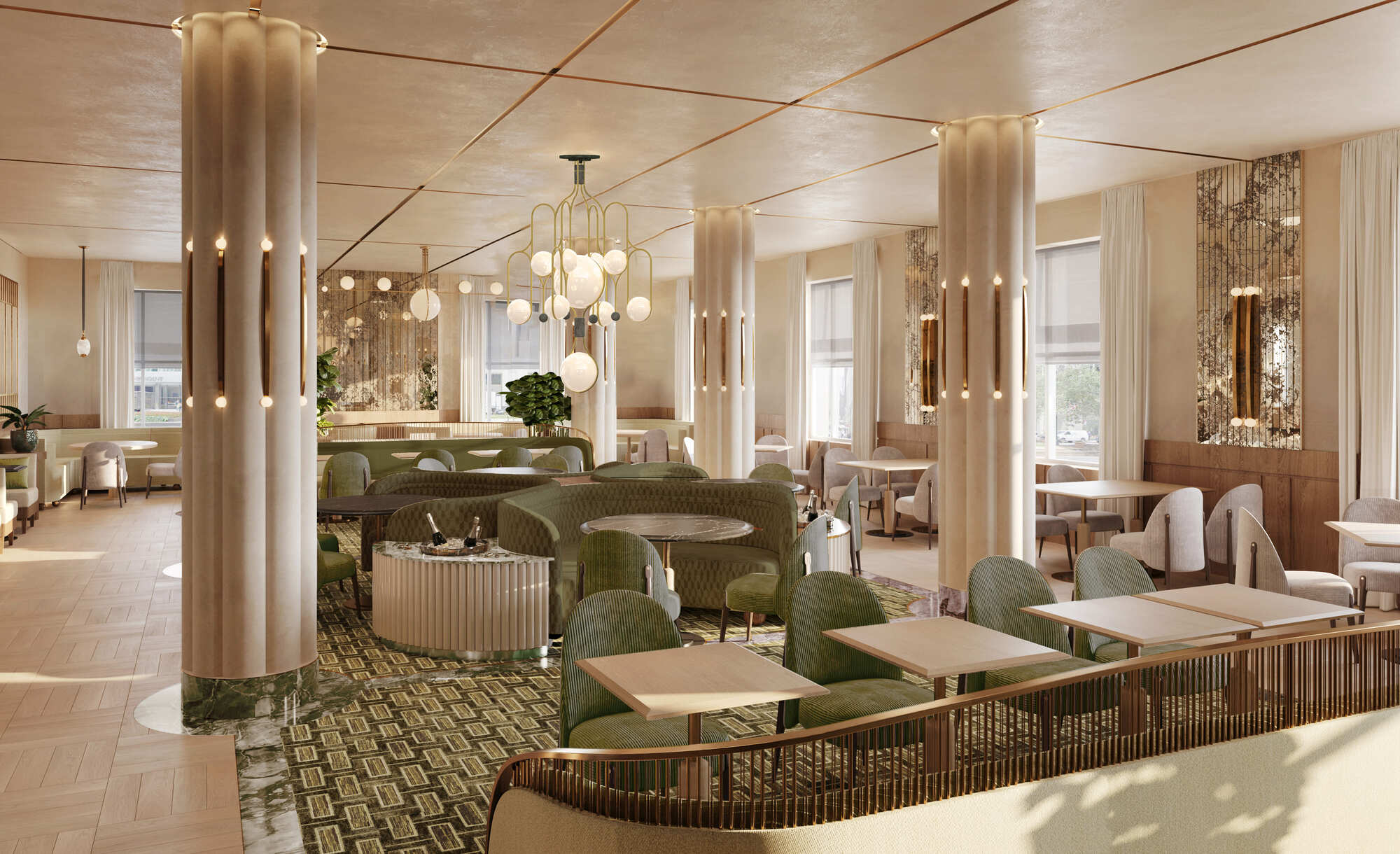
Inside, the old hotel rooms on lower floors were doubled in size to meet contemporary luxury standards. Above them, the condos were arranged into roughly 125 unique layouts. That level of variation means far less repetition than a typical high rise, and far more coordination between structure, systems, and interiors. Every custom layout increases the chance of clashes that have to be resolved in the field.
At one point, a fatal construction accident led to a temporary stop work order, pushing the reopening yet again. While that alone does not explain the eight year timeline, it added to a project already struggling to regain momentum.
In the end, the Waldorf’s saga shows how adaptive reuse at this scale can become a marathon. The mixed hotel and condo concept was part of the business plan from the start, but executing it inside a landmarked 1931 skyscraper proved far more complex than anticipated. Combine that with corporate upheaval, a global pandemic, and a cooling luxury market, and the result was years of delay and billions in additional cost.
For real estate observers, the lesson is not that ambitious conversions are doomed. It is that when you open up a nearly century old icon, you are not just renovating a building. You are negotiating with history, engineering, politics, and global finance all at once. On Park Avenue, that negotiation took a lot longer and cost a lot more than anyone first imagined.


